
Recent events have pushed fossil-fuel-based polyester costs higher, a recent article by Amy Miles on anxiety.eco reports.
Recent geopolitical tensions have sent prices for oil-derived materials, including polyester, up more than 10% in just a fortnight, a recent article by Amy Miles on anxiety.eco reports.
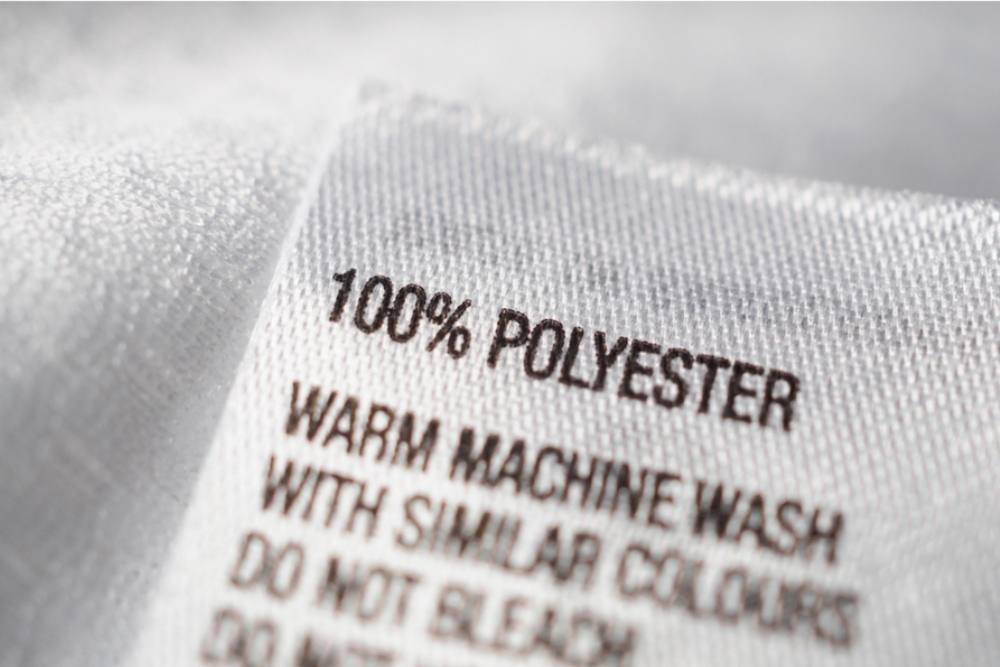
Polyester - made primarily from fossil fuel-based chemicals - is the world’s most widely used fashion fibre. Its production drives greenhouse gas emissions, contributes to microplastic pollution and textile waste, and underpins the ultra-fast fashion model, where cheap, low-quality garments dominate.
The recent price spike has raised questions about who absorbs these costs. Garment factories hope raw material suppliers will shoulder some of the burden, but tighter margins and production cuts could directly affect workers. As Durai Palanisamy, chairman of Southern India Mills Association, noted, delays in exports through the Strait of Hormuz may lead to order cancellations and discounts, leaving garment workers “with the short stick.”
Climate writer Ketan Joshi highlights the broader issue: “Oil demand could be so much lower than it is today, and a big part of why it isn't has been the active effort of a large group of people with their names on the record.” Fashion is a major driver of this demand, yet global production of synthetic fibres continues to rise - 78 million tonnes were produced in 2024, up from 71 million in 2023.
Reports from the Changing Markets Foundation and Fashion Revolution show that much of the industry still relies on fossil-fuelled processes, even where renewable alternatives exist. “Fossil-fuelled boilers still dominate dyehouses, laundries and finishing mills where the fabrics behind our clothes are made - the single largest source of supply chain emissions. Clean alternatives already exist, yet most brands are failing to act,” the 2025 What Fuels Fashion report states.
This volatility underscores the importance of natural fibres such as cotton and wool. Choosing natural fibres helps reduce reliance on petrochemicals, supports growers and their communities, and mitigates climate and social risks in the global fashion supply chain.
Rising polyester prices provide another reminder: fashion runs on fossil fuels - shifting to natural fibres is a practical way for brands and consumers to reduce that dependence while promoting a more resilient and responsible industry.
Read the article here.
March 2026